Dulwich Upholstery Cleaning After Dulwich Picture Gallery Event
If you have just hosted, attended, or helped organise something around the Dulwich Picture Gallery event scene, you will know how quickly upholstered furniture can end up looking a little tired. A dropped drink, a scuffed armrest, a bit of cake crumb ground into a sofa, or that faint damp smell from coats and umbrellas being piled together - it all adds up. Dulwich Upholstery Cleaning After Dulwich Picture Gallery Event is really about putting things right before everyday life settles the mess in for good.
This guide explains what post-event upholstery cleaning involves, why timing matters, how the process works, and what to look for when deciding whether to tackle it yourself or bring in a professional. It also covers practical steps, common mistakes, best practices, and a simple checklist you can use straight away. Nothing fluffy. Just the stuff that helps your chairs, sofas, and soft furnishings recover properly.
And yes, if the event was lovely but the aftermath was not, you are in the right place.
Why Dulwich Upholstery Cleaning After Dulwich Picture Gallery Event Matters
Post-event upholstery issues are different from the usual day-to-day marks that build up in a home. Events bring a mix of shoes, spills, crowds, heat, condensation, food, fragrance, and moving furniture. One guest leans on a pale armchair with a damp coat sleeve. Someone else sets down a glass. A staff member shifts a sofa to create space near the entrance. It is small stuff, but upholstery tends to absorb these things quickly.
Dulwich Picture Gallery events often mean an elegant setting, but the real world still gets involved. Fabric fibres trap odours and particles. Cushions can hold moisture longer than you expect. If a stain is left too long, it may bond with the fibres or spread when wiped wrongly. That is why fast, careful upholstery cleaning matters more than cosmetic tidying. A surface wipe can make the seat look better for an hour. Proper cleaning helps restore it for longer.
There is also the guest-experience side. For private hosts, venue managers, or local residents lending their space, a clean sofa or dining chair says a lot. It tells people the space is cared for. In our experience, that feeling matters just as much as the visible freshness. A room can be spotless on paper and still feel off if the soft furnishings hold onto the memory of the evening.
Expert summary: After a gallery event, upholstery cleaning is not just about appearance. It helps remove spill residue, odours, and embedded dirt before they become harder to treat.
If your soft furnishings are part of a wider refresh, it can make sense to pair upholstery care with deep cleaning or even a broader one-off cleaning visit, especially when the whole space needs resetting after a busy occasion.
How Dulwich Upholstery Cleaning After Dulwich Picture Gallery Event Works
Professional upholstery cleaning is usually a careful sequence rather than one dramatic scrub. That is a good thing. Upholstery is made from different fabrics, fillings, dyes, and stitching patterns, so the cleaner has to match the method to the material. A wool blend armchair, a velvet footstool, and a synthetic banquet chair do not want the same treatment. Not even close.
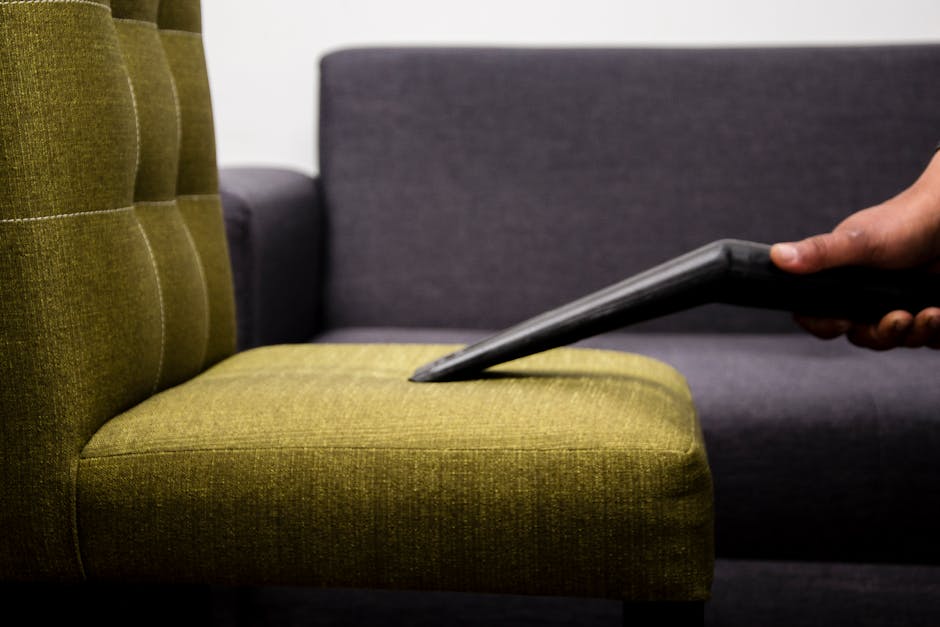
The process normally begins with inspection. The cleaner identifies the fabric type, looks for existing wear, checks for stains, and tests a discreet patch where needed. This helps reduce the risk of colour bleed or water marks. Next comes dry soil removal, often by vacuuming with appropriate attachments. That stage sounds simple, but it is crucial. If loose grit is left in place, it can turn into an abrasive paste once moisture is added.
After that, the cleaner may use spot treatment, steam or hot-water extraction where suitable, low-moisture methods, or hand-applied solutions depending on the item. The aim is to lift contamination without over-wetting the material. That balance matters a lot. Too little cleaning and the stain stays visible. Too much moisture and drying times get longer, which can lead to odour or a lingering damp patch. Nobody wants that faint, cold sofa smell the next morning.
For mixed furniture environments - say, a home dining room used during an event - upholstery care often sits alongside sofa cleaning, rug cleaning, and carpet cleaning. The more connected the soft surfaces are, the more the cleaning plan should be treated as one job rather than several separate ones.
Key Benefits and Practical Advantages
The obvious benefit is a cleaner-looking space, but the practical wins go further than that. A well-cleaned piece of upholstery can smell fresher, feel more comfortable, and support a more polished impression after a busy event. That matters whether the furniture is in a private dining room, a reception space, a home lounge, or a shared venue area.
- Stain reduction: Fresh spills are easier to lift before they become set stains.
- Odour control: Food, drink, humidity, and general event activity can leave a lingering smell.
- Fabric care: The right method protects fibres better than rushed DIY scrubbing.
- Appearance recovery: Cushions regain a more even, cared-for look.
- Longer furniture life: Removing embedded dirt can reduce wear over time.
- Better indoor feel: The room feels properly reset, which is surprisingly noticeable.
There is also a timing advantage. If upholstery is cleaned soon after an event, you are more likely to remove residues before they oxidise or bind into the fibres. That is especially relevant for drinks with colouring, creamy food, and anything sticky. Let it sit overnight and the job often becomes fussier. Let's face it, nobody needs extra fuss after an event.
For homes that have seen a particularly busy weekend, a wider refresh using domestic cleaning or house cleaning can make the whole place feel back to normal faster, rather than only fixing the most obvious chair or sofa.
Who This Is For and When It Makes Sense
This service is not just for large venues. In fact, plenty of the need comes from smaller settings where furniture is used hard during a private event and then expected to look perfect again by Monday.
It makes sense for:
- Homeowners hosting a dinner, reception, or family gathering after a gallery event
- Venue managers looking after upholstered seating
- Property hosts preparing a room for the next booking
- Offices or creative spaces that hosted a reception, talk, or networking event
- Anyone dealing with visible marks, dullness, odour, or patchy fabric after guests leave
You might also need it if the event itself was tidy, but furniture was moved, sat on more heavily than usual, or exposed to damp outerwear and foot traffic. Even without obvious spills, that "used" feeling can settle in fast. Sometimes you can't point to one stain. The fabric just looks a bit flat, a bit dull, a bit done.
For larger property resets, upholstery cleaning may form part of a broader property-care plan with home cleaners or cleaners, especially when you want the whole place ready again without spending the weekend at it yourself.
Step-by-Step Guidance
If you want to manage post-event upholstery the smart way, keep it simple and work methodically. Rushing is usually what causes the awkward marks.
- Assess the damage calmly. Look for spills, sticky residue, odours, crushed fibres, and any transfer from clothing or makeup.
- Blot, do not rub. Use a clean absorbent cloth to lift moisture gently. Rubbing pushes the mark deeper and can roughen the fabric.
- Check the fabric type. If you do not know the material, be cautious. Labels and manufacturer notes are worth finding.
- Vacuum thoroughly. Remove crumbs and grit from seams, piping, and under cushions.
- Test a small hidden area. This is boring but essential, because colourfastness is not something you want to discover the hard way.
- Treat spots carefully. Use the least aggressive method first. Work from the outside of the stain inward.
- Control moisture. Use only as much liquid as needed. Heavy saturation can cause slow drying and marks.
- Dry the area properly. Encourage airflow. Open windows if weather allows, and avoid sitting on the furniture too soon.
- Finish with a final inspection. Check for tide marks, missed areas, or lingering smells once the fabric is dry.
A small but useful point: if you're dealing with several items, clean the cleanest or most stable pieces first. That keeps morale up and helps you spot what methods are actually working. Oddly satisfying too, if you like that sort of thing.
Expert Tips for Better Results
Here is where a little experience pays off. Upholstery cleaning after events is often less about strength and more about judgement.
- Act on stains early. A fresh stain is often less stubborn than it looks, especially before it dries.
- Use white cloths where possible. Coloured cloths can transfer dye when damp.
- Work in good light. Natural daylight or strong overhead light helps you spot residue and uneven cleaning.
- Do not overload on product. More cleaner does not automatically mean better cleaning.
- Mind the edges. Water rings often start at the boundary of a treated patch, not the centre.
- Allow proper drying time. If a cushion feels cool or slightly clammy, it may need longer.
- Think about the room as a whole. If the furniture is clean but the carpet nearby is not, the result can still feel half-finished.
One practical trick after a gallery event: if guests were moving in and out quickly, check the backs and arms of chairs first. Those areas often collect the most unnoticed marks from bags, jackets, and hands. It is rarely the seat surface alone.
For mixed textiles and decorative items, you may also want to look at upholstery cleaning as the core service and then decide whether nearby items need attention too. Small details add up. They really do.
Common Mistakes to Avoid
The most common mistake is overreacting. People see a mark, grab the nearest spray, and start scrubbing with determination. Understandable, but not ideal.
- Rubbing stains aggressively: This spreads the mark and damages the pile or weave.
- Using too much water: Excess moisture can leave rings or slow drying.
- Ignoring fabric instructions: Some fabrics need dry methods or specialist care.
- Applying random household products: Not every cleaning product suits upholstery, even if it works on hard surfaces.
- Leaving spills overnight: Time often makes the clean-up harder.
- Cleaning only the visible patch: This can create a mismatch between treated and untreated sections.
- Forgetting odour sources: A clean-looking seat can still smell if moisture or food residue remains inside.
A subtle mistake people make after events is stopping once the obvious stain has faded. But if the fabric feels different under the hand - stiff, tacky, slightly damp, or gritty - the job is not quite done. That's the bit that gets missed.
Tools, Resources and Recommendations
You do not need a warehouse of equipment, but the right tools make a real difference. For careful post-event care, the basics are often enough.
- Soft brush attachment vacuum
- Microfibre cloths or lint-free white cloths
- Absorbent towels for blotting moisture
- Suitable upholstery-safe cleaning solution
- Protective gloves for heavier spot treatment
- Fans or ventilation for drying support
- Small bowl or spray bottle for controlled application
If you are comparing cleaning help, it can be useful to think in terms of method and confidence rather than just the cheapest quote. A reputable cleaning company should explain how it plans to treat your fabric, what drying time to expect, and whether your upholstery type needs special handling. Good communication saves a lot of awkwardness later.
If the event involved a bigger overall reset - perhaps furniture moved, surfaces dusted, and the room fully re-set - you might also look at one-off cleaning or, in larger properties, office cleaning for shared or professional spaces that hosted the event.
Law, Compliance, Standards, or Best Practice
For most readers, the main issue here is not complex law; it is responsible cleaning practice. Still, there are sensible standards worth keeping in mind. In the UK, duty of care matters in any property or hospitality setting. That means avoiding reckless cleaning methods, handling products safely, and not creating slip hazards or damage for guests, tenants, or staff.
If cleaning is being done commercially or in a rented venue, it is also wise to check insurance and safety arrangements before any work begins. Reputable operators should be able to explain how they approach risk, surface protection, and safe product use. You should never feel rushed past that part. It is perfectly fair to ask.
Best practice usually includes:
- Patch testing before applying liquid treatment to visible fabric
- Using fabric-appropriate methods instead of generic "all-purpose" approaches
- Managing cables, wet areas, and drying equipment to reduce trip risk
- Keeping products stored and used according to label guidance
- Documenting any pre-existing marks before cleaning begins
If you want to know more about service standards and working practices, it can help to review pages such as insurance and safety, health and safety policy, and terms and conditions. Those pages are useful because they show how a provider thinks about process, accountability, and customer protection rather than only the end result.
Options, Methods, or Comparison Table
Different upholstery situations need different approaches. A small mark on a dining chair is not the same as widespread soiling across a settee. Here is a simple comparison to help you think it through.
| Method | Best for | Pros | Limitations |
|---|---|---|---|
| Light DIY spot cleaning | Fresh, minor marks on fabric you know well | Fast, inexpensive, convenient | Easy to over-wet or spread stains |
| Professional low-moisture cleaning | Delicate fabrics, event wear, light to moderate soiling | Controlled, fabric-aware, quicker drying | May not suit deep contamination |
| Deep extraction cleaning | Heavier spills, embedded dirt, odours, shared-use seating | Thorough, strong restoration potential | Longer drying time, not ideal for every textile |
| Combined room refresh | Post-event reset across upholstery, floors, and nearby surfaces | Most complete visual result | Requires more planning and coordination |
Truth be told, the "best" method depends on the fabric and the situation. If you are unsure, caution is usually the smart move. A delicate chair can survive looking slightly imperfect for a day; it cannot always survive a bad cleaning attempt. Harsh but true.
Case Study or Real-World Example
Imagine a small private gathering held after a visit to Dulwich Picture Gallery. The room looks lovely during the evening. By the next morning, though, three things stand out: a faint drink ring on an armchair, crumbs in the sofa seams, and a slightly stale smell from damp coats drying near the radiator. Nothing dramatic. Just enough to make the room feel "off".
The first step was not to panic and not to soak the fabric. The cleaner vacuumed carefully, tested a discreet section, treated the armchair spot gently, and used a controlled moisture method on the sofa. The room was aired, the cushions were checked once dry, and the seating looked and smelled noticeably fresher by the end of the day. Not perfect, perhaps, but properly restored.
That sort of outcome is common. The win is not magic. It is method. And honestly, method beats panic every time.
Practical Checklist
Use this before, during, or after your cleaning appointment.
- Identify the affected items and note the stains
- Check fabric labels or manufacturer guidance if available
- Remove loose crumbs and dust with a vacuum
- Blot fresh spills rather than rubbing them
- Test any cleaning product in a hidden area
- Keep moisture controlled and targeted
- Allow enough drying time before reuse
- Inspect seams, arms, and backs of furniture
- Check for lingering smells after drying
- Decide whether the room needs a broader clean as well
If the whole property has taken a knock from the event, pairing upholstery work with window cleaning or hard floor cleaning can make the room feel properly finished. That clean, reset feeling is what people notice, even if they cannot quite say why.
Conclusion
Dulwich Upholstery Cleaning After Dulwich Picture Gallery Event is about restoring comfort, appearance, and confidence after a busy occasion. The sooner you deal with stains, odours, and fabric wear, the better your chances of a clean result. More importantly, the safer your upholstery is from accidental damage caused by over-scrubbing or excessive moisture.
Whether you are looking after one sofa or a whole set of chairs, the real goal is the same: bring the space back to a calm, usable state without creating extra problems. Careful inspection, the right method, and sensible drying are the fundamentals. Nothing flashy. Just proper work done properly.
If you would like help deciding on the right approach for your fabric, your event aftermath, or your property reset, it is worth speaking with a trusted local team that understands both the practical and the protective side of upholstery care.
Get a free quote today and see how much you can save.
And if the room still feels a little too full of yesterday's energy, take a breath. A good clean has a way of giving a space back its quiet.
Frequently Asked Questions
How soon should upholstery be cleaned after a Dulwich Picture Gallery event?
Sooner is better. Fresh stains and spills are much easier to manage before they dry into the fibres. Even if the damage looks minor, prompt attention helps reduce odour and long-term marking.
Can I clean event stains myself?
Sometimes, yes - especially for small, fresh marks on fabric you understand well. But if the upholstery is delicate, expensive, or already water-stained, a cautious professional approach is usually safer.
What types of upholstery need the most care?
Delicate fabrics such as velvet, wool blends, and some natural fibres need more care than sturdy synthetic seating. Mixed-material furniture can also be tricky because different sections may react differently.
Will upholstery cleaning remove food and drink smells?
It often helps a great deal, especially when the smell is caused by residue, dampness, or absorbed spills. Strong or long-set odours may need a more thorough treatment, though.
How long does upholstery take to dry?
Drying time depends on the fabric, the amount of moisture used, room ventilation, and the cleaning method. Low-moisture methods usually dry faster, while deeper cleaning can take longer.
What is the biggest mistake people make after an event?
Rubbing stains hard is a big one. It can spread the mark, damage the pile, and push the contamination deeper. Over-wetting is another common problem.
Is upholstery cleaning worth it if the furniture looks only slightly dirty?
Usually, yes. Event use can leave behind residues and odours that are not obvious at first glance. Cleaning early can also help protect the fabric before the problem becomes more obvious.
Should upholstery cleaning be part of a wider post-event clean?
Often it should. If the room also has marked carpets, dusty surfaces, or used floors, a broader clean gives a better final result than treating one item in isolation.
How do I know if a cleaning method is safe for my sofa or chair?
Check the fabric label if you can, and test any method on a hidden area first. If in doubt, choose the gentlest approach or ask a professional to assess the item before cleaning.
Can a professional clean old event stains?
Yes, though older stains can be more stubborn and may not disappear completely. A professional can often improve them significantly and reduce their visibility, even if perfect removal is not guaranteed.
What should I ask before booking upholstery cleaning?
Ask how they will assess the fabric, what method they plan to use, expected drying time, and how they manage delicate materials. Clear answers are a good sign.
What if my upholstery is also part of a rented or shared space?
Then it is wise to think about safety, insurance, and documentation as well as cleanliness. Shared spaces often need a more careful process, especially if other people use them soon after the event.